
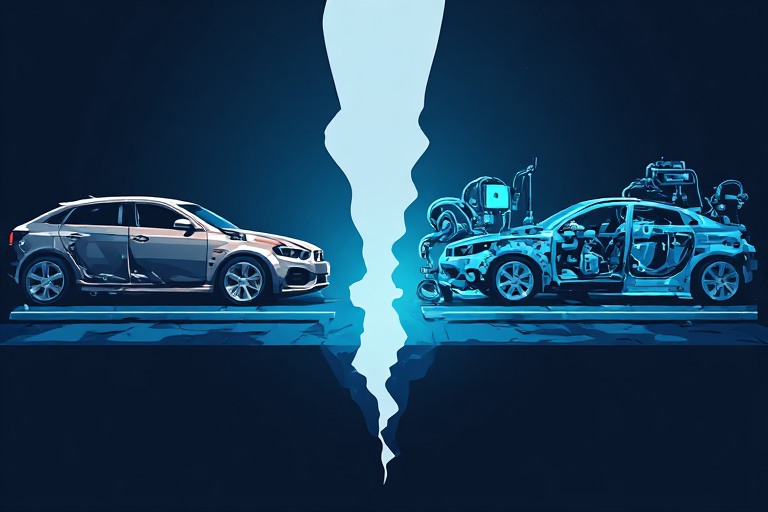
Study flags AI readiness gap across Michigan's auto sector
The Center for Automotive Research (CAR), an Ann Arbor-based nonprofit think tank, has released a new workforce assessment warning that Michigan's automotive industry is not yet prepared for the skills shift AI adoption is bringing to factories, dealerships, and service operations.
The study, part of the Michigan Automotive Workforce Hub effort backed by the state's Department of Labor and Economic Opportunity, gathered confidential survey and interview responses from 67 businesses spanning 20 Michigan counties. Respondents covered the full supply chain, from upstream materials and equipment makers to core assembly operations and downstream sales, repair, and logistics firms.
Key findings
- 29% of employers expect "significant or extensive" skills gaps within the next one to three years.
- Another 43% anticipate at least a moderate gap over the same period.
- Digital skills — including data management, AI, and software development — were flagged alongside soft skills like communication and problem-solving as the areas employers are least prepared for.
- Downstream businesses, such as sales, repair, and logistics operations, reported feeling the greatest pressure as AI-assisted diagnostics and automated systems become standard.
CAR President and CEO Elizabeth Krear, who joined the organization from J.D. Power's electric vehicle practice, said the findings are meant to help employers and educators act before shortages set in: "Michigan's automotive leadership depends on the ability to anticipate workforce needs before they become constraints."
The assessment lands as Michigan positions itself as a broader AI hub, from large-scale data center construction to new university AI degree programs, while its signature auto industry simultaneously automates production and cuts white-collar headcount. The CAR report suggests the workforce transition — retraining technicians and staff to work alongside AI tools rather than simply replacing jobs — is becoming as urgent a challenge for the state as attracting AI investment itself.
Source: Center for Automotive Research